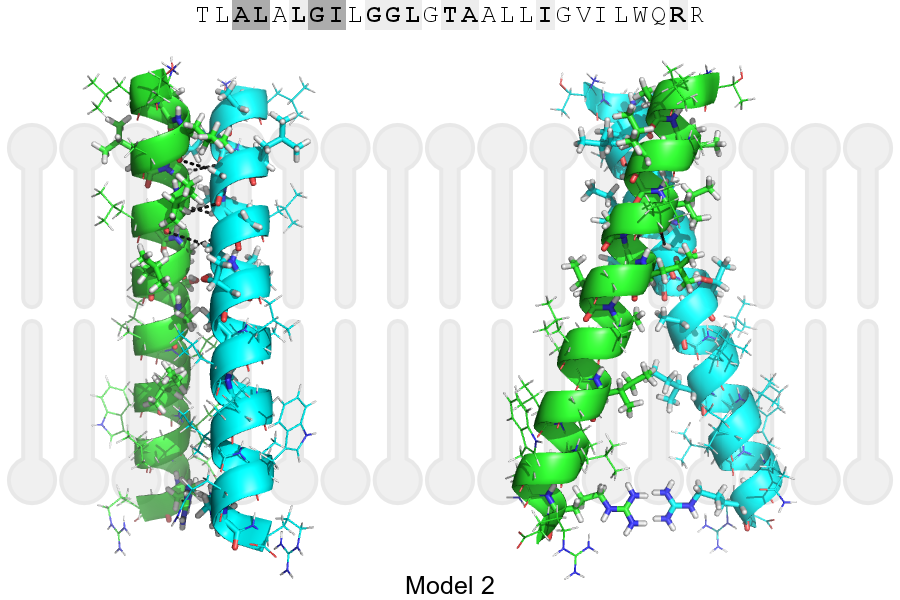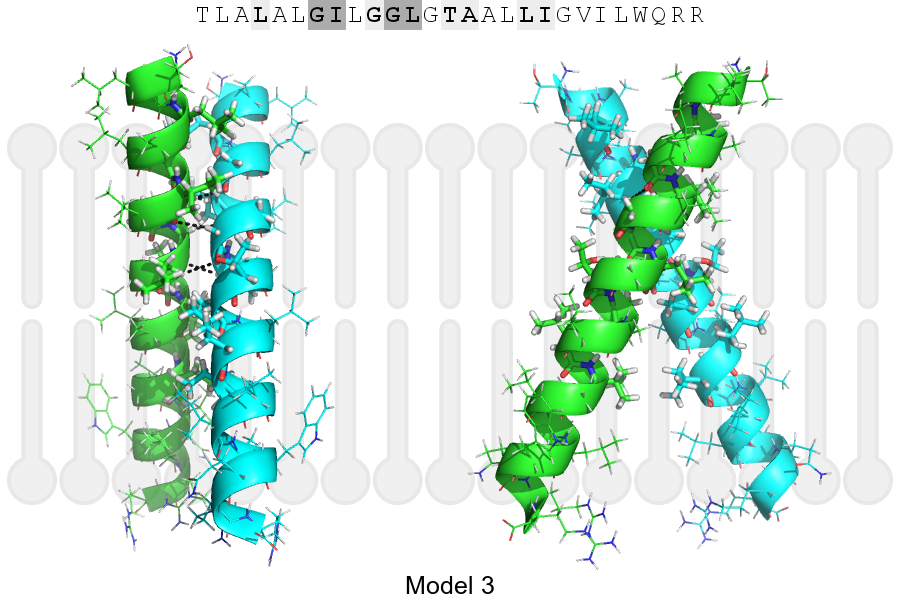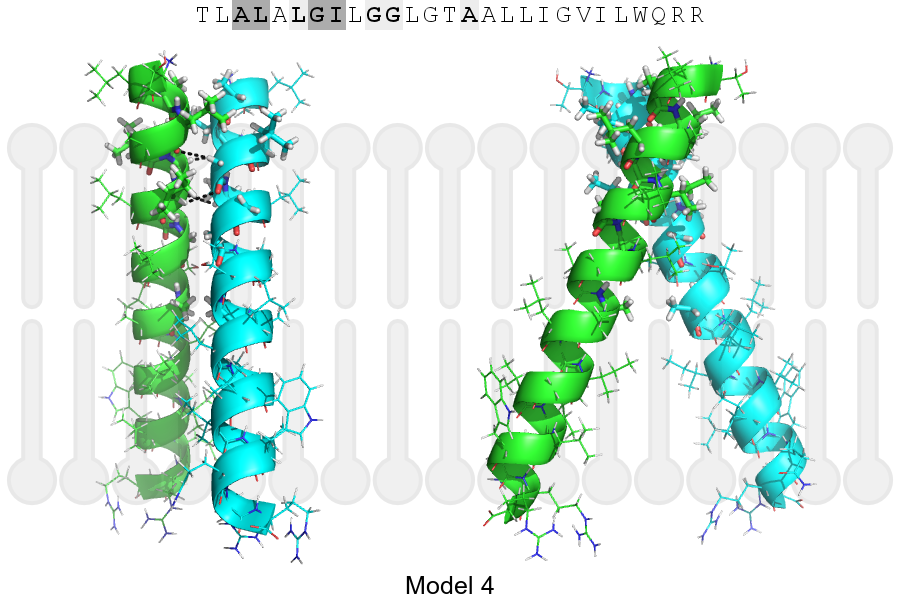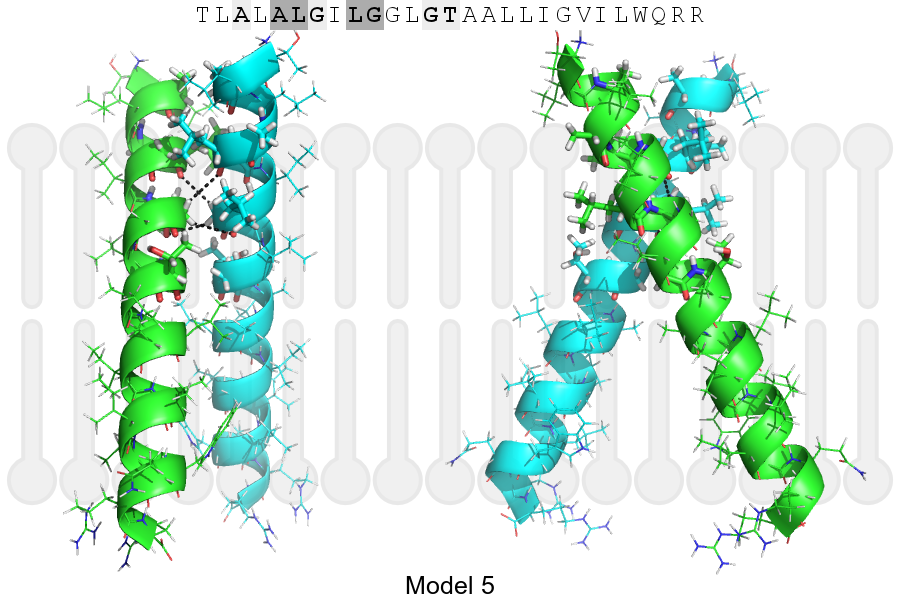
UniProt data
UniProt name: RAGE_HUMAN (Q15109)
Gene name: AGER; Synonyms=RAGE
Organism: Homo sapiens (Human).
Function: Mediates interactions of advanced glycosylation end products (AGE). These are nonenzymatically glycosylated proteins which accumulate in vascular tissue in aging and at an accelerated rate in diabetes. Acts as a mediator of both acute and chronic vascular inflammation in conditions such as atherosclerosis and in particular as a complication of diabetes. AGE/RAGE signaling plays an important role in regulating the production/expression of TNF- alpha, oxidative stress, and endothelial dysfunction in type 2 diabetes. Interaction with S100A12 on endothelium, mononuclear phagocytes, and lymphocytes triggers cellular activation, with generation of key proinflammatory mediators. Interaction with S100B after myocardial infarction may play a role in myocyte apoptosis by activating ERK1/2 and p53/TP53 signaling (By similarity). Receptor for amyloid beta peptide. Contributes to the translocation of amyloid-beta peptide (ABPP) across the cell membrane from the extracellular to the intracellular space in cortical neurons. ABPP-initiated RAGE signaling, especially stimulation of p38 mitogen-activated protein kinase (MAPK), has the capacity to drive a transport system delivering ABPP as a complex with RAGE to the intraneuronal space. Can also bind oligonucleotides. {ECO:0000250, ECO:0000269|PubMed:19906677, ECO:0000269|PubMed:20943659, ECO:0000269|PubMed:21559403, ECO:0000269|PubMed:21565706}.
Subcellular location: Isoform 10: Cell membrane {ECO:0000269|PubMed:24260107}; Single-pass type I membrane protein {ECO:0000269|PubMed:24260107}.
Transmembrane domains:
- 343-363, 21 AA, Helical. {ECO:0000255}.
Sequence: 404 AA
CATM prediction
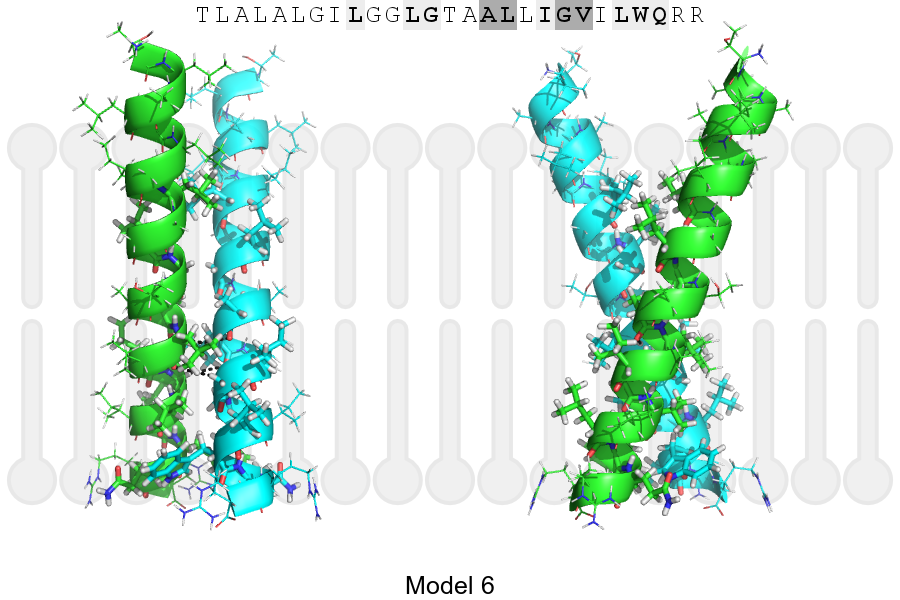
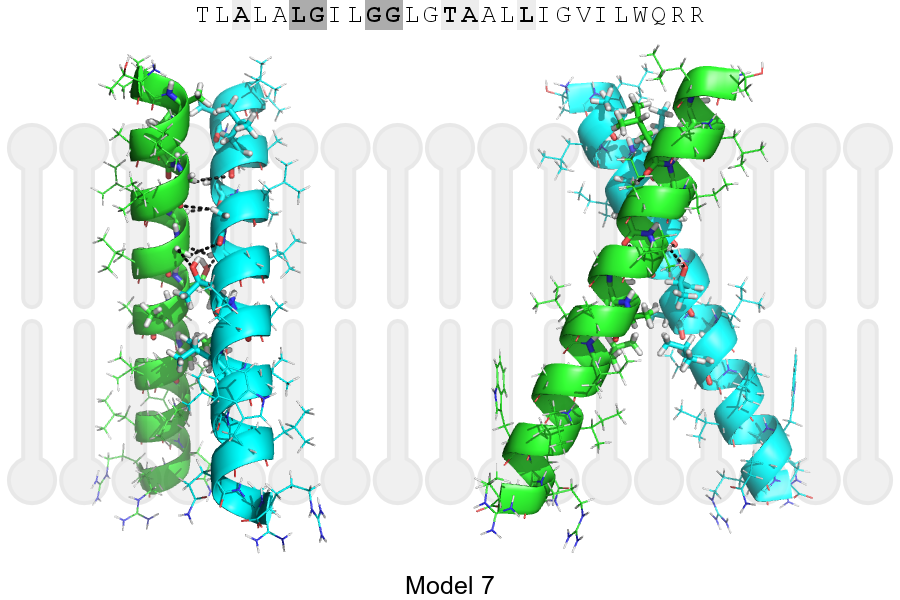
The sequence of RAGE_HUMAN returned 7 potential models
The positions at the dimer's interface are highlighted in yellow. The position at the crossing point is highlighted in orange.
| # | Sequence and interface | d | θ | Z' | ω' | Score |
|---|---|---|---|---|---|---|
| 340 350 360 | + | + | + |
(Å) | (°) | (Å) | (°) | ||
| Model 1 | TLALALGILGGLGTAALLIGVILWQRR | 7.2 | -26.2° | 4.5 | 36.8 | -37.4 |
| Model 2 | TLALALGILGGLGTAALLIGVILWQRR | 7.2 | -40.0° | 2.7 | 34.3 | -35.1 |
| Model 3 | TLALALGILGGLGTAALLIGVILWQRR | 6.7 | -51.8° | 1.3 | 57.1 | -22.2 |
| Model 4 | TLALALGILGGLGTAALLIGVILWQRR | 6.8 | -47.9° | 0.7 | 54.1 | -17.8 |
| Model 5 | TLALALGILGGLGTAALLIGVILWQRR | 7.1 | +51.8° | 1.8 | 1.1 | -5.5 |
| Model 6 | TLALALGILGGLGTAALLIGVILWQRR | 7.3 | -41.0° | 3.5 | 37.9 | -5.5 |
| Model 7 | TLALALGILGGLGTAALLIGVILWQRR | 6.8 | -51.8° | 1.8 | 35.2 | -4.5 |
Click on the model number to visualize its details below.
MODEL 1 DETAILS
Precited structure:
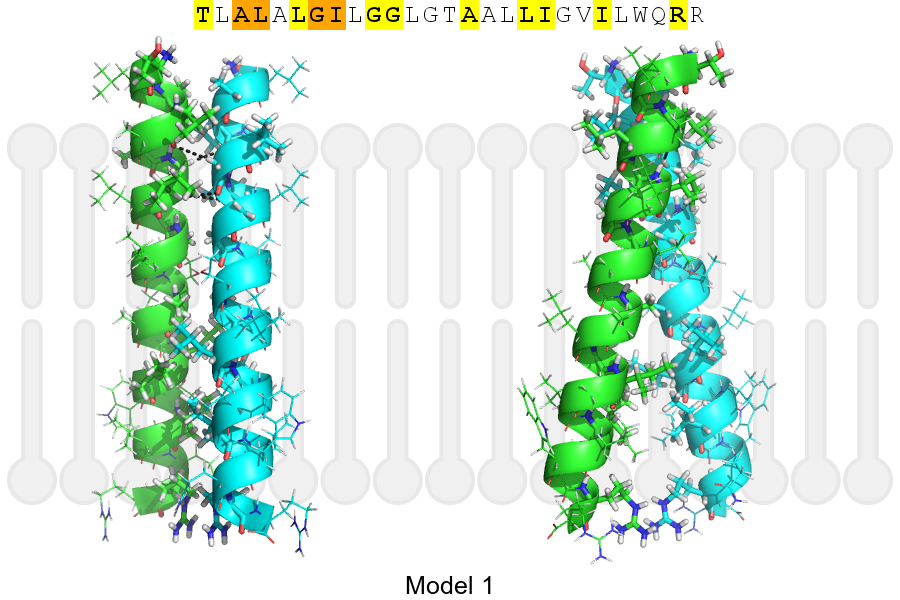
Click on the image to enlarge
Download model 1 structure: PDB, PyMOL session
List of hydrogen bonds:
| Donor | Acceptor | Distance |
|---|---|---|
| B, 346, GLY, HA1 | A, 343, LEU, O | 3.22Å |
| B, 347, ILE, HA | A, 346, GLY, O | 3.31Å |
| A, 346, GLY, HA1 | B, 343, LEU, O | 3.22Å |
| A, 347, ILE, HA | B, 346, GLY, O | 3.31Å |